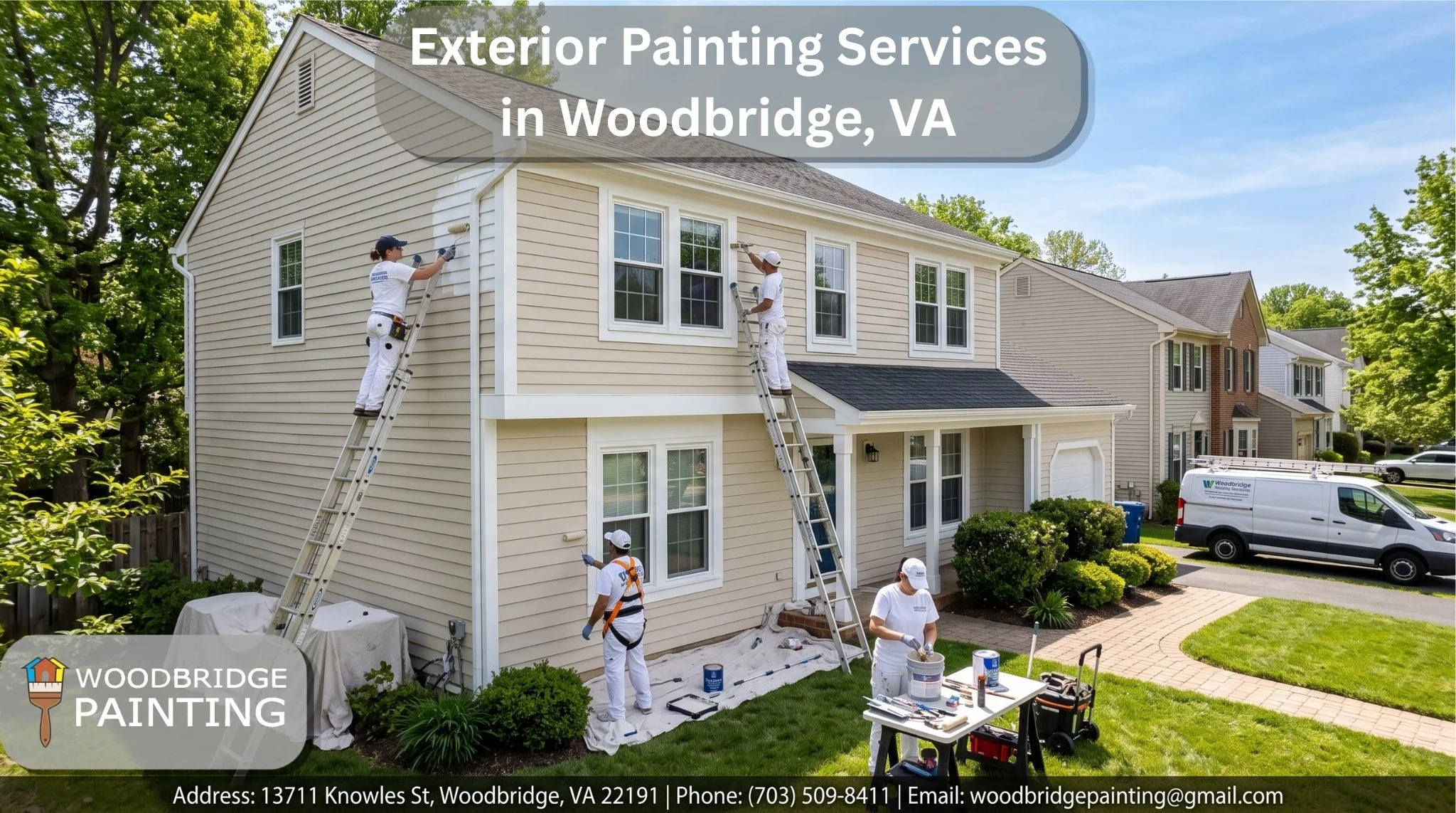
Exterior paint usually peels because moisture gets behind the film, the surface wasn’t prepared properly, or the coating has reached the end of its lifespan. In Prince William County, local humidity, freeze-thaw cycles, and UV exposure make these problems exceptionally common for residential structures. Homeowners who notice peeling must understand that delaying repairs can lead to wood rot, which ultimately ruins the property’s aesthetic and value. While a cheap, quick fix might seem tempting, securing high-quality exterior painting services in Woodbridge, VA, is a crucial long-term investment. Protecting your siding requires addressing the root environmental causes of paint failure rather than simply brushing a new coat over damaged wood. Partnering with specialists who understand the demands of exterior painting in Northern Virginia is the only way to ensure a durable, beautiful finish.
Moisture Infiltration Destroys the Coating Bond
Moisture is the single most common cause of paint failure, quietly destroying your home’s finish from the inside out. When heavy rain, winter snowmelt, or high seasonal humidity penetrates the wood, that trapped water must eventually escape. As the hot summer sun beats down on your walls, this heat drives moisture into water vapor that forces its way outward. This intense vapor pressure creates blisters and bubbles in the paint layer, which eventually pop and curl away. Once the coating separates from the substrate, it leaves the raw wood completely exposed to the elements and ruins your protective barrier. Homeowners must resolve these underlying moisture pathways to protect home exterior. spaces from rapid deterioration. Ensuring the wood is completely dry is a non-negotiable step before applying any fresh paint.
Blocked Gutters and Water Entry Pathways
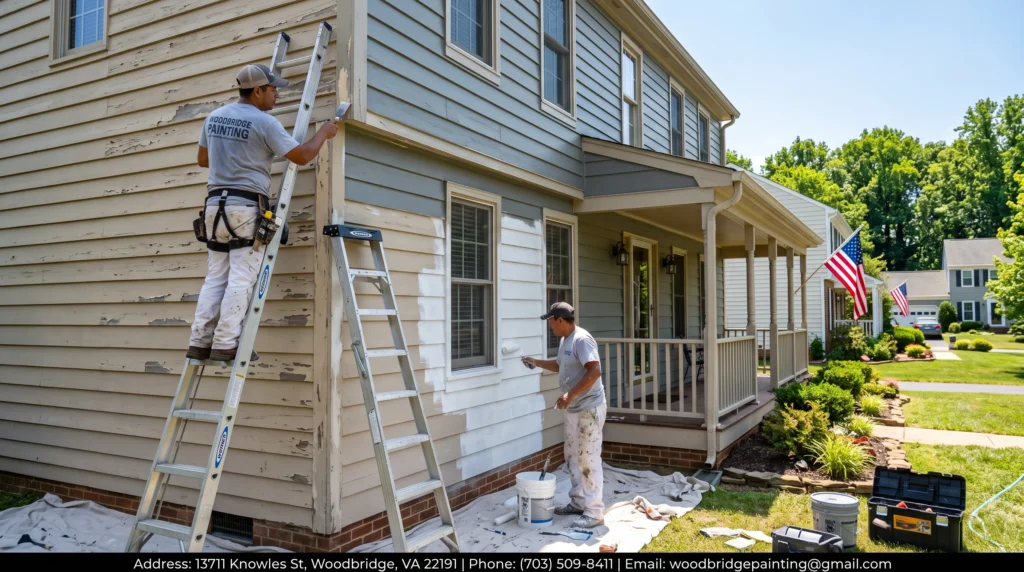
Failing to address common water entry pathways around your home creates a constant state of oversaturation that prevents paint from adhering. For instance, overflowing water from clogged gutter channels runs directly down your fascia boards and siding, flooding the cellular structure of the wood fibers. Similarly, cracked or missing caulk around window frames and corner boards allows sweeping rainwater to penetrate behind structural joints, rotting the wood from the inside. Paint cannot stick to saturated substrates, making gutter maintenance and high-quality caulking non-negotiable prep steps. Homeowners and contractors should seek out certified exterior painters in Woodbridge, VA who systematically diagnose these water entry points before starting any project. Resolving these pathways is the only way to establish a stable foundation for a lasting topcoat.
Ground Contact and Interior Vapor Leaks
Another frequent moisture source is ground contact wicking, which occurs when siding or wooden trim is installed too close to garden soil, lawns, or heavy mulch beds. These elements continuously transfer moisture upward into the wood siding, keeping the lower portions of your home damp and destroying the chemical bond of the coating. Furthermore, high humidity generated inside your home from hot showers and daily cooking can travel straight through uninsulated exterior walls during freezing winter months. As this warm vapor pushes outward to escape the home, it gets trapped directly behind the exterior paint film, creating large, unsightly pockets of water. Managing these internal and external moisture forces is the only way to establish a stable foundation. Experienced house painters in Woodbridge, VA, always check these moisture levels using specialized digital meters before beginning work.
The Severe Impact of Solar Exposure on Painted Wood
The blazing heat and intense solar radiation of Woodbridge summers act as a slow-cooking mechanism that degrades your home’s exterior coatings year after year. Ultraviolet rays constantly bombard your siding, breaking down the chemical binders that hold the paint pigments together and maintaining the strength of the film. Over time, this solar degradation manifests as chalking, which is a powdery residue indicating that the protective coating is actively disintegrating and losing its structural thickness. As the paint film thins, it loses its natural flexibility, becomes extremely brittle, and begins to crack like a dry desert floor under the relentless sun. Once this surface barrier is compromised, rainwater easily seeps behind the fractures, accelerating the peeling process. Preventing UV damage to house paint requires selecting high-quality coatings that feature advanced UV blockers.
Thermal Expansion and Lost Coating Elasticity
Choosing dark paint colors for your siding can accelerate solar degradation because dark shades absorb significantly more heat than lighter, reflective tones. This intense thermal absorption cooks the paint coating from the outside, speeding up the transition from a beautiful, flexible finish to a brittle, flaking mess. When cheap, low-grade contractor paints are applied to highly exposed walls, they lose their ability to stretch and contract with daily temperature swings. As the underlying wood expands in the heat and contracts in the cold, the rigid paint layer snaps under the tension instead of moving naturally. To avoid this rapid failure, property owners must invest in the best exterior paint for Virginia weather to withstand extreme temperature shifts. These premium elastomeric formulas provide the necessary elasticity to expand and contract without cracking.
Chemical Incompatibility and Adhesion Failures
Applying incompatible coatings is another recipe for catastrophic paint failure, often occurring when modern water-based acrylic paint is applied directly over old, glossy oil-based coatings. Because oil paints cure to a hard, slick, non-porous finish, the water-based layer cannot form a mechanical bond and sits loosely on the surface, peeling off easily. Additionally, certain wood species like cedar exude natural tannins that bleed through standard paints, destroying adhesion unless a proper stain-blocking primer is applied first. New wood siding also features a slick manufacturing residue called mill glaze that repels paint, while painting vinyl siding a dark color warps the plastic. To navigate these complex substrate challenges safely, you need to partner with certified exterior painters in Woodbridge, VA, who understand paint chemistry.
The True Financial Cost of Cutting Corners
Accepting the lowest estimate from unverified painters is a costly illusion because fixing a failed, peeling paint job is significantly harder than starting fresh on bare wood. When a cheap application fails within a year, a professional crew cannot simply paint over the mess; they must painstakingly strip the entire surface. This remediation process requires extensive manual labor, specialized scraping tools, and mechanical sanding to remove every single unstable layer down to a sound substrate. These corrective steps double your labor and material expenses, forcing you to pay twice for a project that should have been done right. Cutting corners on your exterior painting project in Northern Virginia only guarantees a rapid cycle of failure that drains your wallet and ruins your home’s aesthetics.
Damaged Brand Reputation and Lost Home Value
Beyond the direct repair costs, peeling and flaking paint inflicts massive damage on your home’s curb appeal, instantly signaling neglect to neighbors and potential buyers. For homeowners trying to sell, a deteriorated exterior triggers negative home inspection reports that stall real estate transactions and force steep, stressful price negotiations. If you are a real estate contractor or remodeling professional, subcontracting work out to unvetted, cut-rate painters risks your business reputation and leads to costly warranty callbacks. When a client’s newly remodeled property begins peeling within months, it destroys your credibility, triggers negative online reviews, and kills word-of-mouth referrals. Hiring experienced house painters in Woodbridge, VA, is the only way to safeguard your professional brand, ensure customer satisfaction, and protect your profit margins.
Severe Wood Rot and Pest Infestations
The most severe consequence of neglecting peeling paint is the rapid onset of structural wood rot and mold colonies inside your home’s walls. When the protective paint membrane cracks and peels, raw wood siding absorbs rainwater like a sponge, creating the perfect environment for wood-destroying fungi. This moisture also attracts destructive wood-boring insects, including termites and carpenter ants, which establish colonies inside your damp walls and chew through structural studs. Once decay settles into the porous wood grains, future paint adhesion becomes impossible unless you complete expensive, extensive wood replacement and chemical remediation. While initial degradation often starts with UV damage to house paint, the resulting moisture pathways quickly escalate into severe structural issues. Protecting your home from these biological threats requires a fully sealed, unbroken exterior coating.
Finding True Expertise through Meticulous Preparation
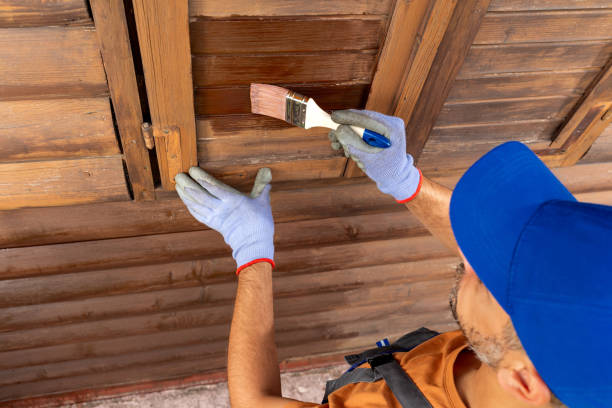
To avoid a peeling disaster, you must understand that reliable house painting is a precise, multi-step trade that requires extensive surface preparation before painting. Top-tier professionals spend up to seventy percent of their project timeline on cleaning, scraping, and stabilizing your home’s siding to ensure a long-lasting bond. Slapping paint over loose flakes, dirt, pollen, or mildew creates a temporary illusion of quality that will fail as soon as the weather shifts. True experts systematically address every structural imperfection, sand down rough edges, and apply specialized primer bases to lock out moisture. Homeowners and contractors should always hire experienced professionals who treat preparation as a mandatory, non-negotiable process. Cutting corners on prep work is the primary reason why cheap exterior painting in Woodbridge, VA. projects fail within their first year.
Selecting Premium Materials for Regional Climates
Surviving Northern Virginia’s climate—with its volatile freeze-thaw cycles, freezing winters, and sweltering summer humidity—demands the use of specialized, premium exterior coatings engineered for resilience. Top-tier contractors refuse to use low-grade builder-line paints, choosing instead 100% acrylic latex formulas infused with flexible polymers that expand and contract. This advanced material elasticity allows the paint film to move naturally alongside your wood siding during dramatic temperature swings, preventing cracking. Additionally, these premium coatings feature advanced breathability, allowing trapped interior water vapor to escape outward through microscopic pores without breaking the adhesive bond. Selecting the best exterior paint for Virginia weather is the single most important decision you can make to ensure your home remains protected and beautiful.
Investing in Your Property to Prevent Equity Losses
Your home is your most significant financial asset, and protecting its exterior from weather damage and rot is a critical, non-negotiable responsibility. Peeling, flaking paint is an active warning sign that your property’s primary defense system is failing, exposing your siding to expensive structural decay. Do not let the temptation of saving a few dollars convince you to hire unverified, cheap labor or use low-grade materials. Investing in premium painting services preserves your equity, guards your home’s curb appeal, and provides decades of reliable weather protection. Partner with a trusted, fully licensed, and insured painting professional today to schedule a comprehensive on-site assessment, lock out moisture, and permanently protect the home exterior. surfaces.